
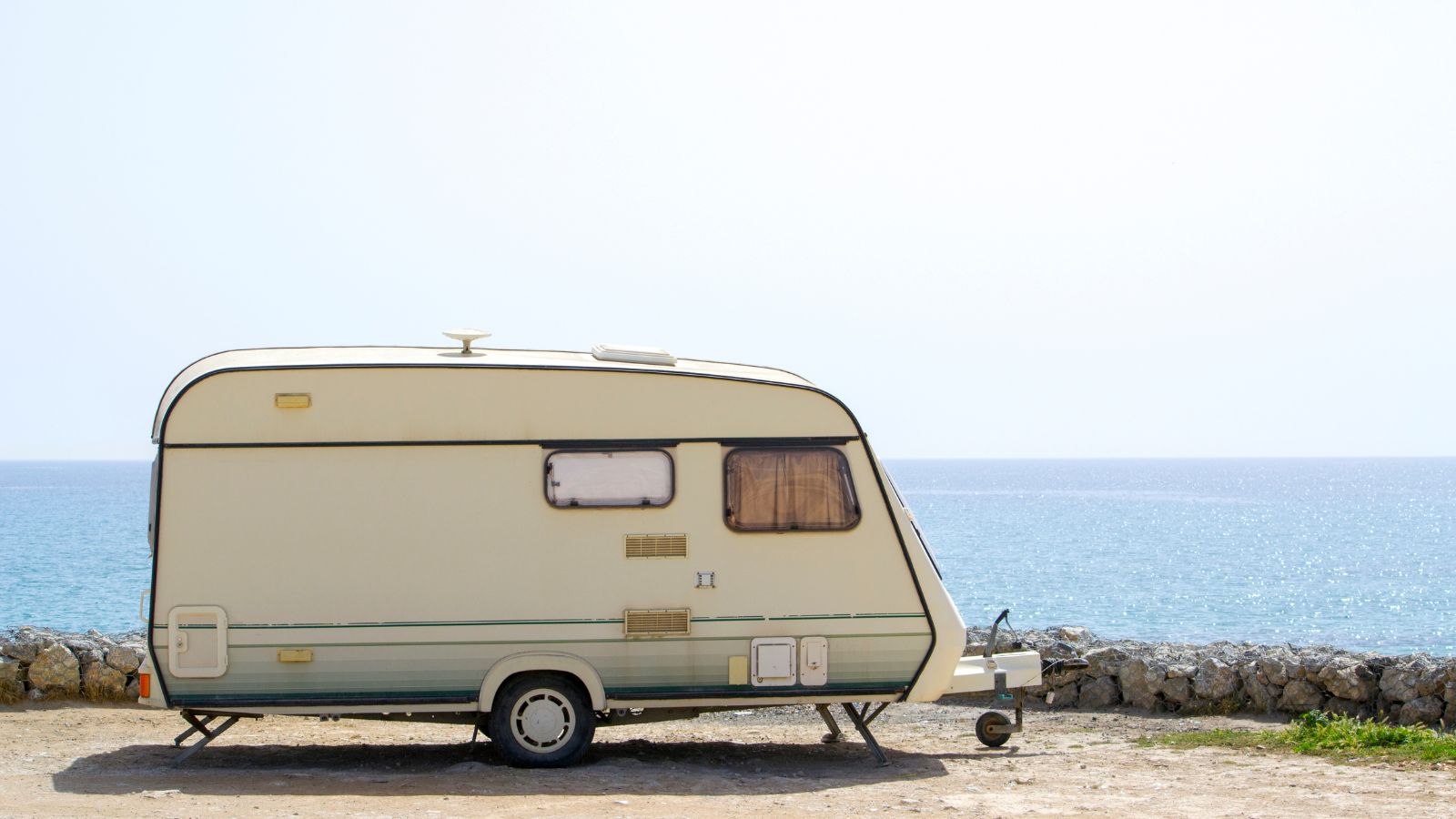
Leisure finance can be used to fund eligible recreational vehicles and equipment without paying the entire purchase price upfront. Depending on the lender and finance product, this can include motorbikes, caravans, campervans, boats and other leisure assets. The cost of a leisure loan depends on more than the purchase price: the interest rate, deposit, loan term, security and fees can all affect your repayments and the total amount you eventually repay.
Key takeaways
- ✓Leisure loans can potentially finance a range of recreational vehicles and assets.
- ✓Available finance depends on the lender, asset and individual application.
- ✓Leisure finance can be secured against an acceptable asset or structured differently depending on the product.
- ✓Interest rates can vary between borrowers and lenders rather than being one standard leisure-loan rate.
- ✓A longer loan term can reduce regular repayments but increase total interest.
- ✓Budget for the ongoing cost of owning the asset as well as the loan repayment.
What is a leisure loan?
A leisure loan is finance used for an eligible recreational purchase. The borrower receives finance for the purchase and repays the debt according to an agreed credit contract. Depending on the finance, the purchased asset may be used as security for the loan.
Leisure finance is borrowing for eligible recreational assets such as motorbikes, caravans, campervans and boats. What can be financed depends on the lender.
What can you finance with a leisure loan?
The assets accepted for leisure finance differ between lenders. Recreational vehicles and equipment can vary substantially in value, age and how they are used, so lender requirements can also differ.
| Type of purchase | Examples |
|---|---|
| Motorbikes | Road bikes and other eligible motorcycles |
| Caravans | New or used caravans |
| Campervans | Eligible campervans and motorhomes |
| Boats | Eligible recreational boats |
| Trailers | Certain eligible recreational trailers |
| Other leisure assets | Depends on the lender and finance product |
How does leisure finance work?
The general process is similar to other instalment loans. You choose the asset you want to purchase, determine how much finance you require and apply with the relevant information. If approved and the credit agreement is completed, the purchase is funded according to the finance arrangement and you repay the loan over the agreed term.
How much can you borrow for a leisure purchase?
There is no single amount available to every borrower. The amount that can be financed depends on the lender's product limits, the asset, the amount requested and the applicant's circumstances.
The maximum a lender advertises is not necessarily the amount you personally can or should borrow.
What do lenders consider for leisure finance?
A lender can assess both the borrower and the proposed purchase. This helps determine whether finance is available and what terms may apply.
| Area | What may be considered |
|---|---|
| Income | Money available to support repayments |
| Living expenses | Regular household costs |
| Existing debt | Other loan and credit commitments |
| Credit history | Previous management of credit |
| Amount requested | How much needs to be financed |
| Asset | Type, age and value where relevant |
| Security | Whether an acceptable asset secures the finance |

Can leisure finance be secured?
Yes, depending on the loan. Secured finance uses an acceptable asset as security for the debt. For some leisure purchases, the asset being financed may potentially serve as security. The lender determines what security it will accept.
If your leisure loan is secured, understand exactly which asset secures the debt and what the credit contract allows if repayments are not made.
Secured vs unsecured leisure loans
The main distinction is whether a specified asset secures the debt. Security can affect the lender's risk and therefore the finance available.
| Feature | Secured finance | Unsecured finance |
|---|---|---|
| Specified security | Yes | No |
| Asset tied to the debt | Potentially the financed asset or other acceptable security | No specified secured asset |
| Interest rate | Can be lower | Can be higher |
| Actual terms | Depend on lender and application | Depend on lender and application |
How do leisure loan interest rates work?
There is no single interest rate that applies to every leisure loan. The rate offered can depend on the lender, borrower, asset, loan amount, security and other aspects of the application. An advertised starting rate should not be assumed to be the rate every borrower will receive.
What can affect your leisure finance rate?
Lenders can price finance according to a combination of borrower and loan characteristics. A secured loan for one type of asset may be assessed differently from unsecured borrowing for another.
| Factor | Potential relevance |
|---|---|
| Credit history | Can influence the lender's assessment and pricing |
| Security | Can change the lender's exposure to risk |
| Asset type | Different assets can have different lending criteria |
| Asset age | Can matter where the asset is being used as security |
| Amount financed | Changes the size of the credit commitment |
| Loan term | Determines how long the finance remains in place |
Do you need a deposit for leisure finance?
Not every leisure loan necessarily requires the same deposit. Requirements depend on the lender and application. A borrower may also choose to contribute a deposit even when financing the full purchase price is potentially available.
A deposit reduces the amount you need to borrow, but there is no universal deposit percentage that applies to every leisure loan.
How does a deposit change the loan?
Consider a $40,000 recreational purchase. A $10,000 contribution means $30,000 of the purchase price remains to be financed before allowing for fees or other financed costs.
| Purchase price | Deposit | Amount to finance |
|---|---|---|
| $40,000 | $0 | $40,000 |
| $40,000 | $4,000 | $36,000 |
| $40,000 | $8,000 | $32,000 |
| $40,000 | $10,000 | $30,000 |
| $40,000 | $15,000 | $25,000 |
How are leisure loan repayments determined?
The regular repayment is primarily influenced by the amount financed, interest rate and loan term. Borrowing more or paying a higher rate generally increases the repayment, while spreading the debt over a longer period can reduce each scheduled payment.
Example leisure loan repayments
The following examples use an illustrative rate of 9.95% p.a. over five years and exclude fees. They demonstrate how the amount financed changes the repayment and are not current finance offers.
These are illustrative repayment examples only. Actual repayments depend on the rate, fees, term and finance available to you.
| Amount financed | Example rate | Term | Approx. weekly repayment |
|---|---|---|---|
| $10,000 | 9.95% p.a. | 5 years | $49 |
| $20,000 | 9.95% p.a. | 5 years | $98 |
| $30,000 | 9.95% p.a. | 5 years | $147 |
| $40,000 | 9.95% p.a. | 5 years | $195 |
| $50,000 | 9.95% p.a. | 5 years | $244 |
Why the loan term matters
A longer term can make an expensive leisure purchase appear more affordable because the regular repayment becomes smaller. However, the debt remains in place for longer and interest has more time to accumulate.
Think about the age of the asset too
The loan term should be considered alongside how long you expect to own and use the asset. A very long term can leave you making repayments on a motorbike, caravan, campervan or boat later in its life when maintenance costs may also be increasing.
Don't choose a loan term based solely on the smallest possible weekly repayment.
New vs used leisure finance
Both new and used leisure assets can potentially be financed. When the asset is security for the loan, its age, value and condition may be relevant to the lender's criteria. Used does not automatically mean more expensive finance, but the available options can differ.
Can you finance a leisure purchase from a private seller?
Potentially. Private-sale finance can be available depending on the lender and asset. Additional checks may be required around ownership, value and any existing security interests before the purchase is completed.
What fees can apply?
The interest rate is not necessarily the only borrowing cost. Depending on the finance, establishment, administration, security-related, default or early-repayment costs may apply.
| Possible cost | What to check |
|---|---|
| Establishment fee | Cost of setting up the loan |
| Security-related cost | Whether registration or other security costs apply |
| Administration fees | Any ongoing account charges |
| Default costs | Potential costs if repayments are missed |
| Early-repayment costs | What can apply if the finance is cleared early |
The loan isn't the only cost of a leisure purchase
Recreational assets can have substantial ongoing ownership expenses. These should be included in your budget before deciding what loan repayment is comfortable.
| Asset | Costs you may need to consider |
|---|---|
| Motorbike | Insurance, registration, servicing, tyres, fuel and safety gear |
| Caravan | Insurance, storage, servicing, tyres and towing-related costs |
| Campervan | Insurance, fuel, registration, servicing, maintenance and camping costs |
| Boat | Insurance, fuel, servicing, storage or marina costs and equipment |

Can you repay a leisure loan early?
Consumer finance can be repaid in full before its scheduled end, although reasonable early-repayment costs can apply depending on the credit contract. Ask the lender for a current settlement figure before paying a loan out early.
Can you refinance leisure finance later?
Potentially. Refinancing replaces existing finance with a new loan. If you later consider refinancing a motorbike, caravan, campervan or other leisure loan, compare the existing settlement cost with the new rate, fees, term and total borrowing cost.
How to compare leisure loans
A useful comparison looks at the complete finance arrangement rather than one headline number.
| Compare | Why it matters |
|---|---|
| Actual interest rate | Determines a major part of the borrowing cost |
| Fees | Can increase the cost beyond the advertised rate |
| Deposit | Changes how much you need to finance |
| Loan term | Affects repayments and total interest |
| Security | Determines whether an asset secures the debt |
| Regular repayment | Needs to fit your wider budget |
| Total amount repayable | Shows more of the complete borrowing cost |
Before financing a leisure purchase
Work out the complete cost of ownership before deciding how much to borrow. A repayment that looks affordable in isolation may feel very different once fuel, insurance, servicing, storage and other ownership costs are included.
Budget for owning the asset as well as financing it.
Compare leisure finance options
Different lenders can offer different rates, fees, terms and security arrangements for leisure purchases. EveryLoan refers visitors to Simplify Finance, where applications, lender matching, credit decisions and funding are handled by Simplify Finance and its lender partners.
EveryLoan is not a lender. Leisure-finance availability, rates, approval and terms depend on the lender, asset and individual application.
Frequently asked questions
A leisure loan is finance used for an eligible recreational purchase such as a motorbike, caravan, campervan, boat or another asset accepted by the lender.
Depending on the lender, leisure finance can potentially be used for motorbikes, caravans, campervans, boats, trailers and other eligible recreational assets.
Not necessarily. Deposit requirements vary between lenders and applications. Contributing a deposit reduces the amount that needs to be financed.
Yes. Depending on the loan and lender, an acceptable asset can be used as security for the finance.
Potentially. Used leisure assets can be financed depending on the lender, asset and application.
Potentially. Private-sale finance can be available, although additional ownership, security or asset checks may be required.
Available terms vary between lenders and products. Compare how the term affects the regular repayment and total amount of interest paid.
Consumer finance can be repaid in full early, although reasonable early-repayment costs may apply depending on the credit contract.