
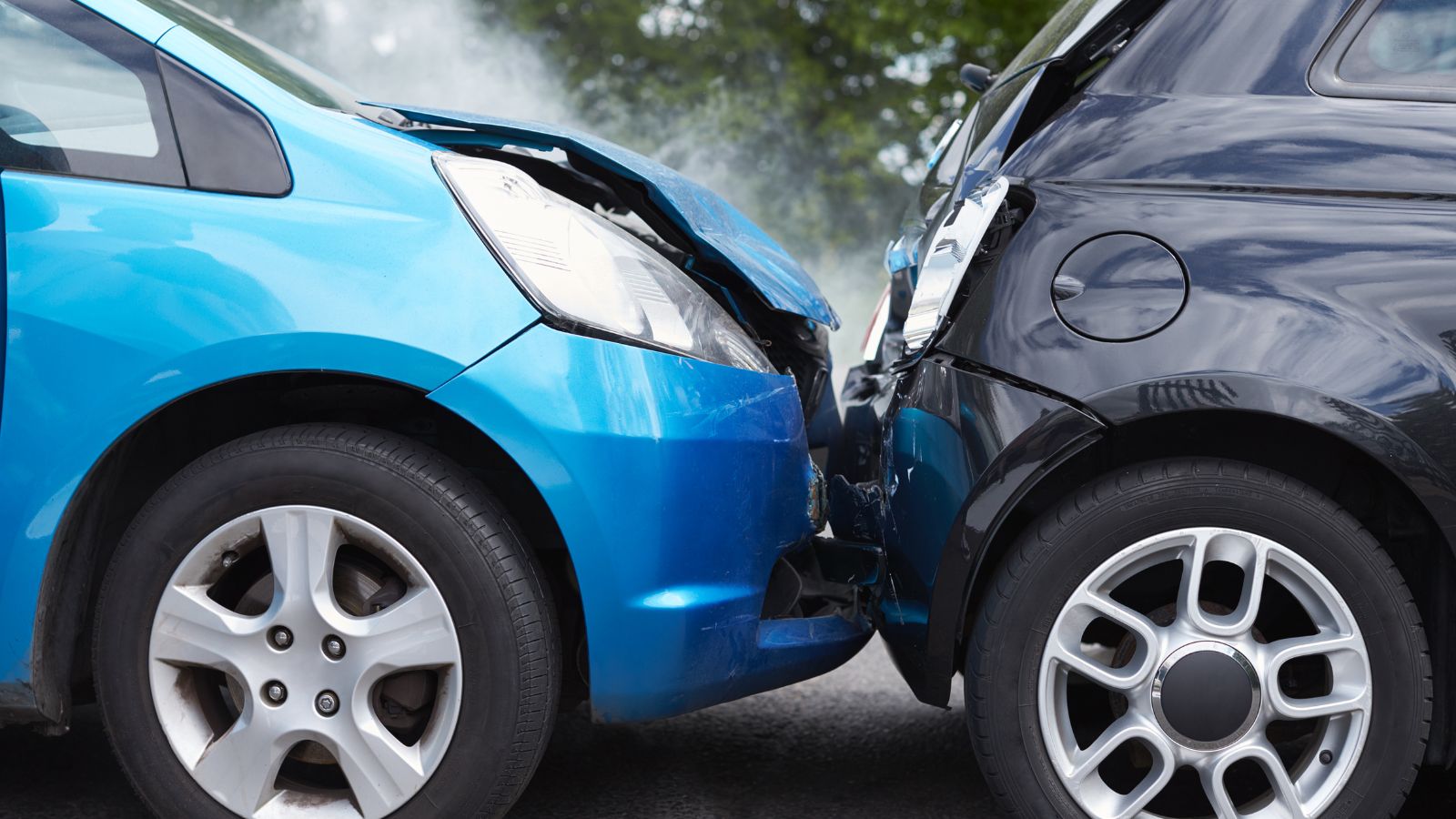
If a financed car is written off, the car loan does not automatically disappear. Your insurer may make a settlement under the terms of your policy, while the outstanding finance remains a separate debt that still needs to be dealt with. Whether the insurance settlement is enough to clear the loan depends on the amount paid by the insurer and the amount required to settle the finance at that time.
Key takeaways
- ✓Writing off a vehicle does not automatically cancel the finance attached to it.
- ✓The insurance claim and the car loan are separate contracts.
- ✓An insurance settlement may be used to repay secured finance over the written-off vehicle.
- ✓If the insurance settlement is lower than the loan settlement figure, a finance shortfall can remain.
- ✓If the insurance settlement exceeds the amount required to clear the secured loan, there may be money remaining after the lender is paid, subject to the insurance and finance arrangements.
- ✓Contact both the insurer and finance provider after a financed vehicle is written off.
Does your car loan disappear if the car is written off?
No. A car being declared a total loss does not by itself cancel the credit contract. The vehicle and the loan are related when the car secures the finance, but the amount borrowed remains a debt until it is repaid or otherwise dealt with under the loan agreement.
A written-off car can be gone while money is still owing on the loan.
What does it mean when a car is written off?
A vehicle can be treated as a total loss when an insurer determines that it should not be repaired under the policy. The insurer then deals with the claim according to the terms of the insurance contract rather than paying for the vehicle to be repaired.
What happens if the car is still under finance?
If the vehicle is security for a loan, the finance provider has an interest in the asset. When an insured secured vehicle is written off, the lender and insurer may need to deal with each other as part of settling the claim and finance.
Tell your insurer that finance is owing on the vehicle and contact the finance provider rather than assuming the insurance payment will simply be paid to you.
Insurance payout vs car loan settlement figure
Two numbers become particularly important after a financed vehicle is written off: the amount payable under the insurance policy and the amount required to settle the car loan. They are calculated under different contracts and therefore do not necessarily match.
| Amount | What it represents |
|---|---|
| Insurance settlement | The amount payable under the terms of the insurance policy |
| Loan settlement figure | The amount required to repay the existing finance in full on a specified date |

What if insurance covers the full amount owing?
If the amount available from the insurance settlement is sufficient to clear the secured car finance, the loan may be able to be settled from the claim proceeds. Confirm the final position with the finance provider rather than assuming the account has automatically been closed.
What if the insurance payout is less than the car loan?
A shortfall can remain if the insurance settlement is lower than the amount required to settle the finance. The vehicle being written off does not automatically remove that remaining debt.
In this example, there is a $5,000 difference between the insurance settlement and the amount required to clear the loan.
| Shortfall example | Amount |
|---|---|
| Car loan settlement figure | $28,000 |
| Example insurance settlement | $23,000 |
| Potential shortfall | $5,000 |
Why can you owe more than the car is insured for?
A vehicle's value and its loan balance do not necessarily fall at the same rate. Cars can depreciate while a substantial portion of the finance remains outstanding. Fees, the original amount financed and the repayment structure can also affect the loan balance.
What if the insurance settlement is higher than the finance owing?
If the claim settlement exceeds the amount required to clear secured finance, there may be a balance remaining after the lender's interest has been dealt with. Exactly how the payment is handled depends on the insurance policy, finance agreement and claim circumstances.
| Example | Amount |
|---|---|
| Insurance settlement | $30,000 |
| Finance settlement | $24,000 |
| Difference | $6,000 |
Agreed value vs market value insurance
The way an insurer determines a total-loss settlement depends on the policy. Some policies insure a vehicle on an agreed-value basis, while others use market value or another policy-defined method. Check your policy schedule and wording rather than assuming the payout will equal what you paid for the car.
The amount you borrowed, the amount you paid for the vehicle and the insurance settlement can all be different numbers.
Does your insurance excess still matter?
An excess may affect the claim settlement depending on the policy and circumstances of the loss. Check the policy and insurer's settlement calculation so you understand how the final claim amount has been determined.
What should you do after a financed car is written off?
Keep the insurance and finance processes connected by giving both providers the information they require.
| Step | What to do |
|---|---|
| 1 | Make the insurance claim and provide the required information |
| 2 | Tell the insurer that finance is owing on the vehicle |
| 3 | Contact the finance provider |
| 4 | Request or confirm the current loan settlement figure |
| 5 | Review the insurer's total-loss settlement |
| 6 | Compare the insurance settlement with the finance settlement |
| 7 | Confirm in writing whether the loan has been fully repaid or whether a balance remains |
Should you stop making car loan repayments after the write-off?
Do not simply stop making scheduled repayments because the vehicle has been written off. The loan remains in place until the lender confirms otherwise. Contact the finance provider and follow its instructions while the insurance claim and settlement are being processed.
A total-loss decision by an insurer is not the same thing as confirmation from your lender that the debt has been repaid.
What happens to the written-off vehicle?
What happens to the physical vehicle depends on the insurance settlement and circumstances. In a total-loss claim, the insurer may take ownership or possession of the damaged vehicle or salvage under the policy arrangements. The process can also involve dealing with any existing secured interest.
What happens to the security over the vehicle?
Where a lender has a registered security interest over the car, that interest needs to be dealt with when the secured debt is repaid. The PPSR provides the system used in New Zealand for registering security interests in personal property.

Can you finance another car after a write-off?
Potentially, but any existing finance position needs to be understood first. If the previous loan has been completely settled, a new application can be assessed on its own circumstances. If a shortfall remains, that debt can form part of your existing financial commitments when applying for replacement finance.
Can the shortfall be added to finance for another car?
Do not assume that a remaining balance can automatically be rolled into replacement vehicle finance. Whether additional borrowing is available depends on the lender, replacement vehicle, total amount requested and your individual financial circumstances.
How can you reduce the risk of a large finance shortfall?
Before taking out vehicle finance, consider how the loan balance may compare with the vehicle's value over time and understand what your insurance actually covers. A deposit can reduce the amount initially financed, while an appropriate insurance policy can help manage insured vehicle-loss risks.
Insurance and finance solve different problems: insurance covers risks according to the policy, while the loan determines what you owe the lender.
Written-off financed car checklist
The important thing is to establish the exact insurance and finance numbers rather than estimating them.
| Check | Question to answer |
|---|---|
| Insurance settlement | How much is actually payable under the policy? |
| Finance settlement | How much is required to clear the loan? |
| Excess | Does an excess affect the claim settlement? |
| Shortfall | Will any finance remain after the claim is applied? |
| Security | How will the lender's interest over the vehicle be dealt with? |
| Loan status | Has the finance provider confirmed the account is settled? |
What if you need finance for a replacement car?
If your previous finance and insurance claim have been dealt with and you need another vehicle, the finance available for a replacement car depends on the new application and your circumstances. EveryLoan refers visitors to Simplify Finance, where applications, lender matching, credit decisions and funding are handled by Simplify Finance and its lender partners.
EveryLoan is not a lender. Replacement-car finance approval, rates, amounts and terms depend on the lender and your individual application.
Frequently asked questions
Yes, unless the loan is repaid or otherwise dealt with. A vehicle being written off does not automatically cancel the finance agreement.
An insurance settlement may be applied toward secured vehicle finance, but whether it fully clears the loan depends on the insurance settlement and the lender's settlement figure.
A shortfall can remain. The vehicle being written off does not automatically remove the difference between the insurance settlement and the outstanding finance.
There may be money remaining after the secured finance has been cleared, depending on the insurance policy, finance agreement and claim circumstances.
Do not stop repayments solely because the vehicle has been written off. Contact the finance provider and continue following the loan agreement until the lender confirms the account's position.
Potentially. Any remaining debt from the previous finance can be relevant when the lender assesses a new application.