
An older car can potentially be financed in New Zealand, but vehicle age can affect the finance available. Lenders have their own criteria, particularly when the car will be used as security for the loan. The vehicle's value, age, condition and the proposed loan term can all be relevant. An older car can also have different ownership risks from a newer vehicle, so the loan repayment should be considered alongside maintenance and repair costs.
Key takeaways
- ✓There is no single maximum vehicle age that applies to every car lender in New Zealand.
- ✓Whether an older car can be financed depends on the lender, vehicle and individual application.
- ✓Vehicle age and value can be particularly relevant when the car is used as security for the loan.
- ✓A used car should be inspected carefully before purchase regardless of whether finance is approved.
- ✓A long loan term can leave you repaying an older vehicle as its maintenance requirements increase.
- ✓Budget for repairs, servicing, tyres, insurance, licensing and other ownership costs as well as the finance repayment.
Can you get finance for an older car in NZ?
Potentially. There is no universal age limit that applies to every car-finance provider. Each lender can have its own requirements around the vehicles it will finance, particularly where the vehicle will secure the loan.
An older vehicle is not automatically ineligible for finance. The lender needs to determine whether the car and application meet its criteria.
Why does the age of the car matter?
Cars generally depreciate and their mechanical condition can change as they age. When a lender is relying on the vehicle as security, the age and value of that asset can therefore be relevant to the lending decision.
Is there a maximum age for a financed car?
There is no single NZ-wide maximum vehicle age for car loans. Lender policies differ, so a car accepted by one finance provider may not necessarily meet another provider's criteria.
Avoid relying on a generic rule such as 'cars over 10 years old cannot be financed'. Vehicle-age requirements depend on the lender and finance product.
What might a lender consider about an older vehicle?
The vehicle can form one part of the overall lending assessment, particularly for secured car finance.
| Vehicle factor | Why it may matter |
|---|---|
| Age | Can affect lender vehicle criteria and expected future value |
| Current value | Relevant when the vehicle is being used as security |
| Condition | Can influence the usefulness and value of the asset |
| Mileage | Can provide context about vehicle use and remaining life |
| Loan term | Determines how old the vehicle may be when the loan finishes |
Does an older car have to be financed with an unsecured loan?
Not necessarily. Whether an older vehicle can be accepted as security depends on the lender and the particular car. If the vehicle does not meet secured-finance requirements, different finance structures may potentially be considered depending on the lender and borrower.
Do not assume that every older car requires unsecured finance or that every older car will qualify for secured finance.
Does an older car mean a higher interest rate?
Not automatically. Interest rates can depend on the lender, borrower, security, amount financed, loan term and other factors. Vehicle age can be relevant to the loan structure without directly determining one particular interest rate.
Used car condition matters as well as age
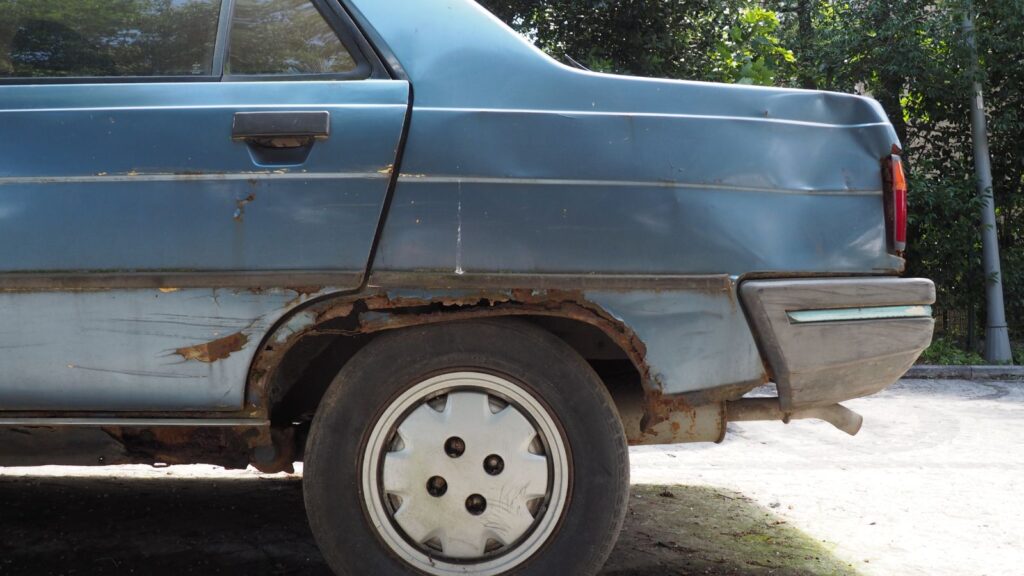
Two cars manufactured in the same year can be in very different condition. Service history, mileage, previous repairs and maintenance can all affect the quality of the vehicle you are considering.
Should you get an older car inspected before buying?
A professional pre-purchase inspection is particularly useful when buying a used vehicle. New Zealand Consumer Protection recommends considering an independent mechanical inspection before purchasing a used car.
Finance approval is not a mechanical inspection and should not be treated as evidence that an older vehicle is in good condition.
What should you check on an older used car?
The older the vehicle, the more important it can be to understand what you are actually buying.
| Check | What to look at |
|---|---|
| Service history | Whether scheduled maintenance appears to have been completed |
| Mechanical condition | Engine, transmission, suspension, brakes and other systems |
| Tyres | Condition and likely replacement cost |
| WoF | Current inspection status and relevant history |
| Mileage | Distance travelled relative to age and condition |
| Vehicle history | Information about the vehicle's previous history |
| Security interests | Whether money may be owing on a privately purchased vehicle |
How long should you finance an older car for?
The available term depends on the lender, but the age of the car at the end of the proposed loan is worth considering. A long term may produce a lower regular repayment while leaving you making finance payments on a considerably older vehicle.
| Example | Vehicle age at end of loan |
|---|---|
| 10-year-old car + 3-year loan | Approximately 13 years old |
| 10-year-old car + 5-year loan | Approximately 15 years old |
| 12-year-old car + 5-year loan | Approximately 17 years old |
Why a long loan term can matter more on an older vehicle
As a vehicle ages, servicing and repair requirements can increase. A long finance term can therefore create a period where you are simultaneously paying the car loan and dealing with more significant maintenance costs.
The lowest weekly repayment is not necessarily the best way to finance an older car if achieving it requires extending the debt far into the vehicle's life.
Older car price vs total ownership cost
An older car may have a lower purchase price than a newer equivalent, but purchase price is only one part of affordability.
| Cost | Consider |
|---|---|
| Loan repayment | Principal, interest and applicable fees |
| Servicing | Routine maintenance requirements |
| Repairs | Potential mechanical or electrical work |
| Tyres and brakes | Wear items that may require replacement |
| Insurance | Premium and cover appropriate to the vehicle |
| Fuel | Older vehicles can have different running costs |
| WoF and licensing | Ongoing road-use requirements |
Can you finance an older car from a private seller?
Potentially. Private-sale finance can be available depending on the lender, vehicle and application. When buying privately, additional checks are important because private purchases generally have fewer consumer protections than purchases from registered motor vehicle traders.
Check whether money is owing on a private-sale car
Consumer Protection recommends checking the Personal Property Securities Register when buying a used vehicle privately. A registered security interest can indicate that another lender has rights over the vehicle.
Do not assume an older private-sale car is debt-free simply because the seller says they own it.
What about classic or collectible cars?
A classic or collectible vehicle can be different from an ordinary older used car because age does not necessarily correspond to low value. Specialist or unusual vehicles may require different valuation, insurance or finance considerations. Whether a particular vehicle can be financed depends on the lender.
When could financing an older car make sense?
An older vehicle can still be a suitable purchase when its condition, price and expected ownership costs fit your needs and budget. The key is to evaluate the specific vehicle rather than assuming newer is always better or older is always cheaper.

Older car finance checklist
Before committing to finance, consider the loan and the vehicle together.
| Check | Question |
|---|---|
| Vehicle eligibility | Will the lender finance this particular car? |
| Inspection | Has the vehicle been checked independently? |
| Loan term | How old will the car be when the loan finishes? |
| Repayment | Does it fit your budget alongside running costs? |
| Maintenance | Can you afford servicing and unexpected repairs? |
| Security | Will the vehicle secure the finance? |
| Total loan cost | What are the rate, fees and total amount repayable? |
Compare finance for an older car
Whether an older vehicle can be financed depends on the car, lender and individual application. EveryLoan refers visitors to Simplify Finance, where applications, lender matching, credit decisions and funding are handled by Simplify Finance and its lender partners.
EveryLoan is not a lender. Vehicle eligibility, approval, rates, security requirements and loan terms depend on the lender and your individual application.
Frequently asked questions
Potentially. Vehicle-age requirements differ between lenders, so whether an older car is eligible depends on the vehicle, finance product and individual application.
There is no single maximum vehicle age that applies to every New Zealand lender. Each finance provider can set its own vehicle criteria.
Not automatically. Rates can depend on the lender, borrower, security, loan amount, term and other factors.
Potentially. Whether the vehicle is acceptable security depends on the lender and the particular car.
A professional pre-purchase inspection can help identify mechanical and safety issues before you commit to buying a used vehicle.
Potentially. Private-sale finance may be available, although the lender can require additional vehicle, ownership and security checks.